Croatia’s Historic Cities: Travel guide from Dubrovnik to Zagreb

Croatia is a country that wears its history on its sleeve. From the sun-drenched ramparts of Dubrovnik to the lively streets of Zagreb, each city tells a story—sometimes in ancient stone, sometimes in the laughter of a bustling café. But these cities are more than just beautiful backdrops; they’re living, breathing places where history and modern life intertwine.

Whether you’re tracing Roman footsteps in Pula, watching the sunset in Zadar, or sipping coffee in Zagreb, you’ll discover that each destination has its own unique rhythm and soul. If you’re dreaming of a trip that blends culture, architecture, and a dash of Adriatic magic, this guide will help you explore Croatia’s most captivating cities: Dubrovnik, Split, Zadar, Pula, and Zagreb.

Ready to uncover the best of Croatia’s urban wonders? Keep scrolling to find out how to make the most of your journey in 2025 and let the country’s urban magic work its charm.
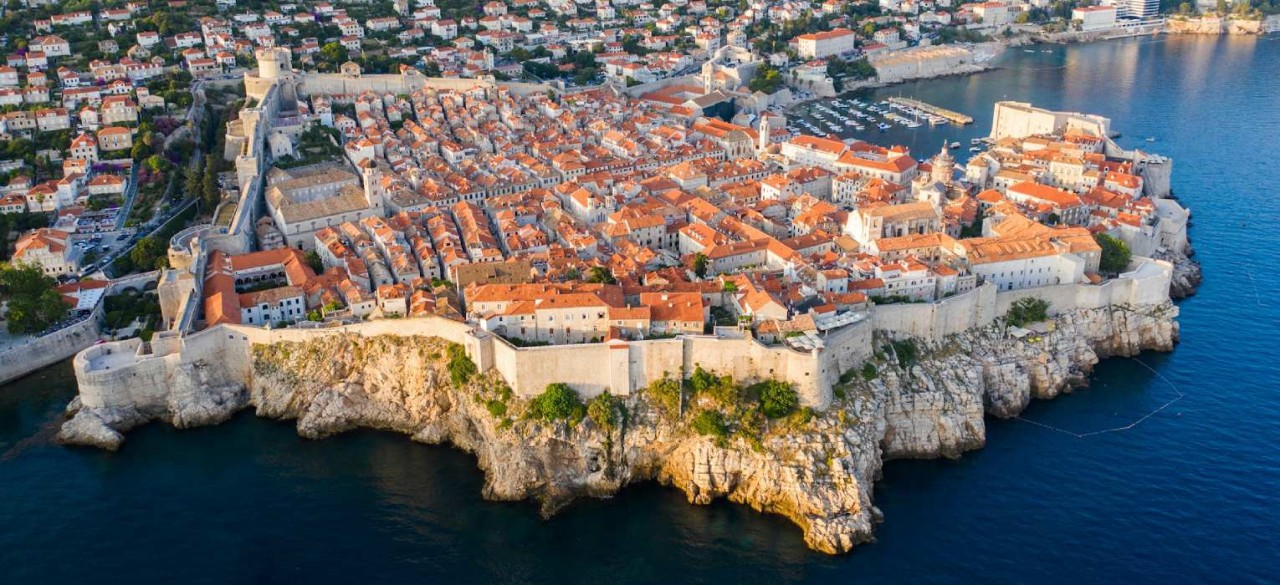
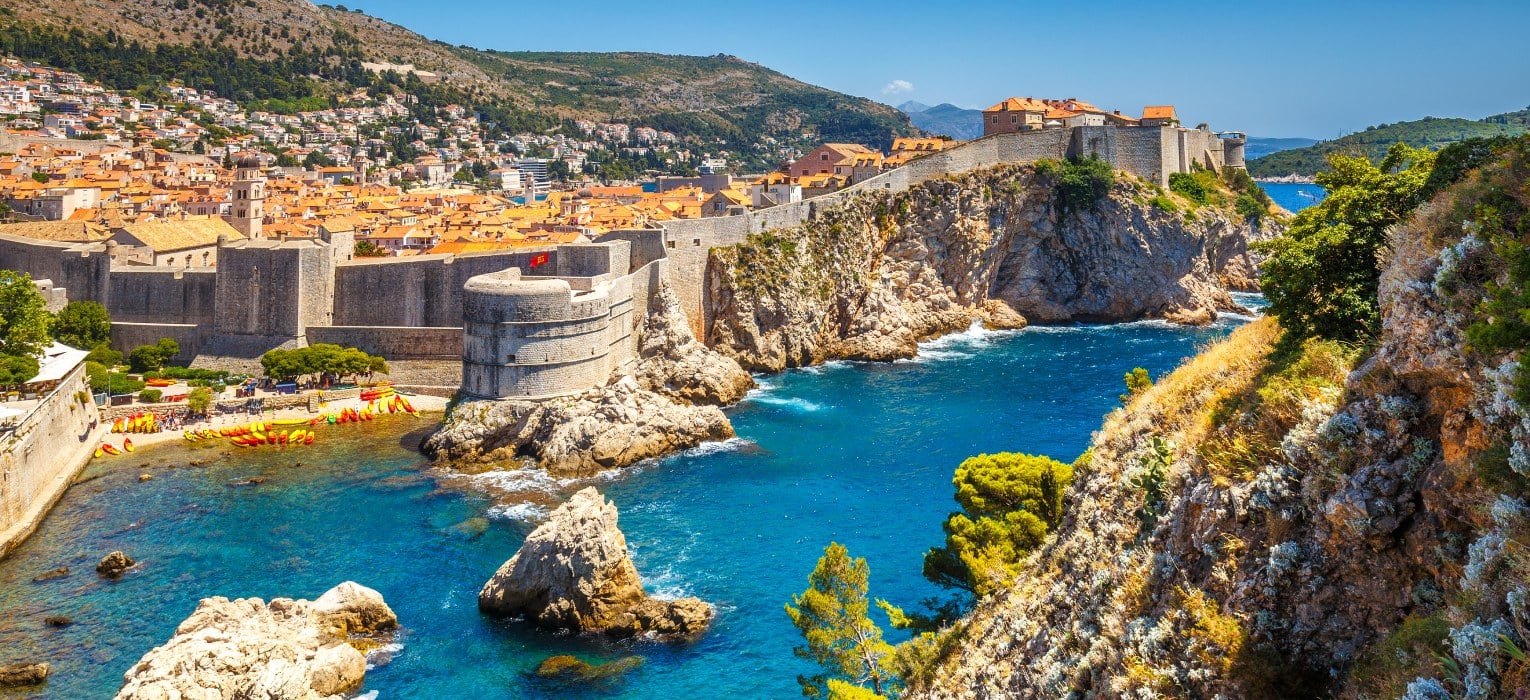
Dubrovnik is Croatia’s showstopper—a city that looks like it was plucked from a fairy tale, with its massive medieval walls, terracotta rooftops, and shimmering sea views. It’s no wonder it’s a UNESCO World Heritage site and a favorite for film crews (yes, Game of Thrones fans, this is King’s Landing).

  • Walk the City Walls: Start your visit with a stroll atop Dubrovnik’s ancient fortifications. Early morning or late afternoon is best to avoid crowds and catch golden light on the Adriatic.
  • Wander the Old Town: Lose yourself in a maze of marble streets, baroque churches, and lively squares. Don’t miss the Rector’s Palace or the ornate Sponza Palace.
  • Ride the cable car to Mount Srđ: Take in the panoramic view of the city and sea stretched out below—perfect for that postcard photo.
  • Lokrum Island: Just a short ferry ride away, head to this lush island for a peaceful escape where you can discover botanical gardens, peacocks and swimming spots.

Insider tip: Dubrovnik can get crowded, especially in summer. Visit in May, June, or September for a more relaxed vibe. Many travellers now opt for guided walking tours that focus on hidden corners and local legends, which help avoid the busiest spots.

Image: Dubrovnik

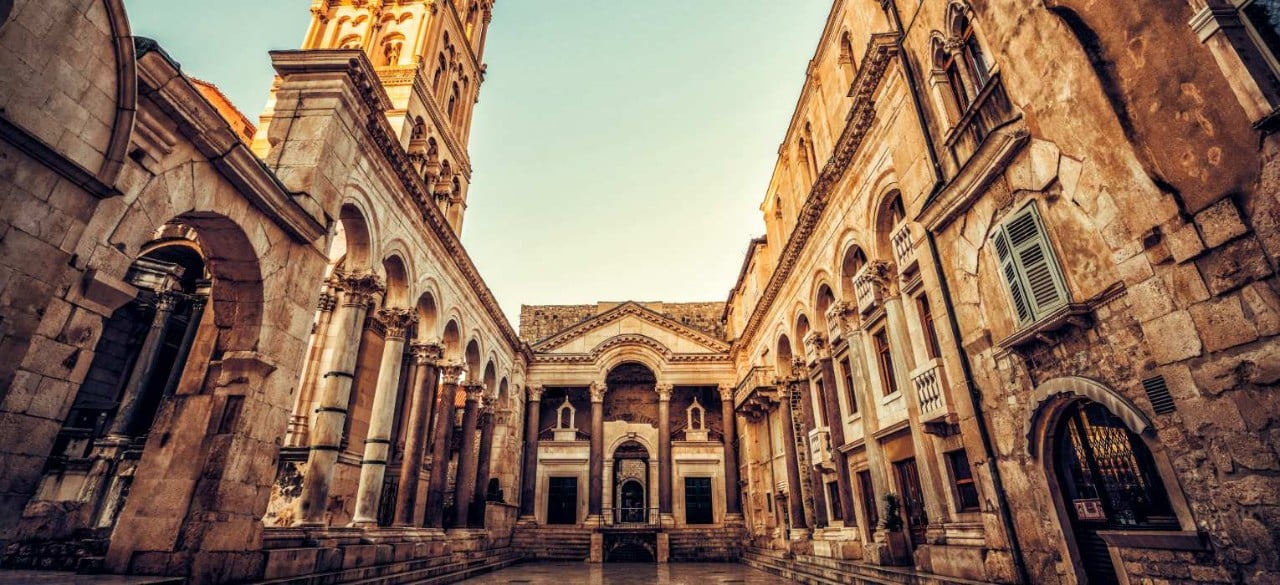
Split is a city where ancient history and modern life blend seamlessly. At its heart is Diocletian’s Palace, a sprawling Roman complex – where you'll find ruins of some of the most valuable surviving buildings of the Roman era -- that’s now home to shops, bars, and apartments. The city’s energy is infectious—think lively markets, buzzing cafés, and a palm tree lined promenade.

  • Explore Diocletian’s Palace: This UNESCO site isn’t just a monument; it’s the living, beating heart of Split. Wander through ancient cellars, climb the bell tower of St. Domnius Cathedral, and sip coffee in a sunlit square.
  • Riva Promenade: Join locals for a stroll along the waterfront, gelato in hand. In the evenings, the Riva comes alive with music and laughter.
  • Marjan Hill: For a break from the city, hike or cycle up Marjan Hill where you’ll be welcomed by sweeping views and quiet pine forests.
  • Day Trips: Split is a gateway to the islands (Hvar, Brač, Vis) and the stunning waterfalls of Krka National Park.

Insider Tip: Split’s nightlife is legendary, but don’t overlook its food scene. Try fresh seafood at a konoba (traditional tavern) or sample local wines from Dalmatia’s vineyards.

Image: Diocletian's Palace

Zadar is a city that surprises. Its Roman and Venetian ruins are impressive, but it’s the modern touches that set it apart. Here, you’ll find a laid-back vibe and some of the best sunsets on the Adriatic.

  • Sea Organ & Sun Salutation: These unique art installations use the sea and sun to create music and light shows. At sunset, the promenade fills with people soaking in the spectacle.
  • Roman Forum: Wander among ancient columns and stones in the heart of the old town.
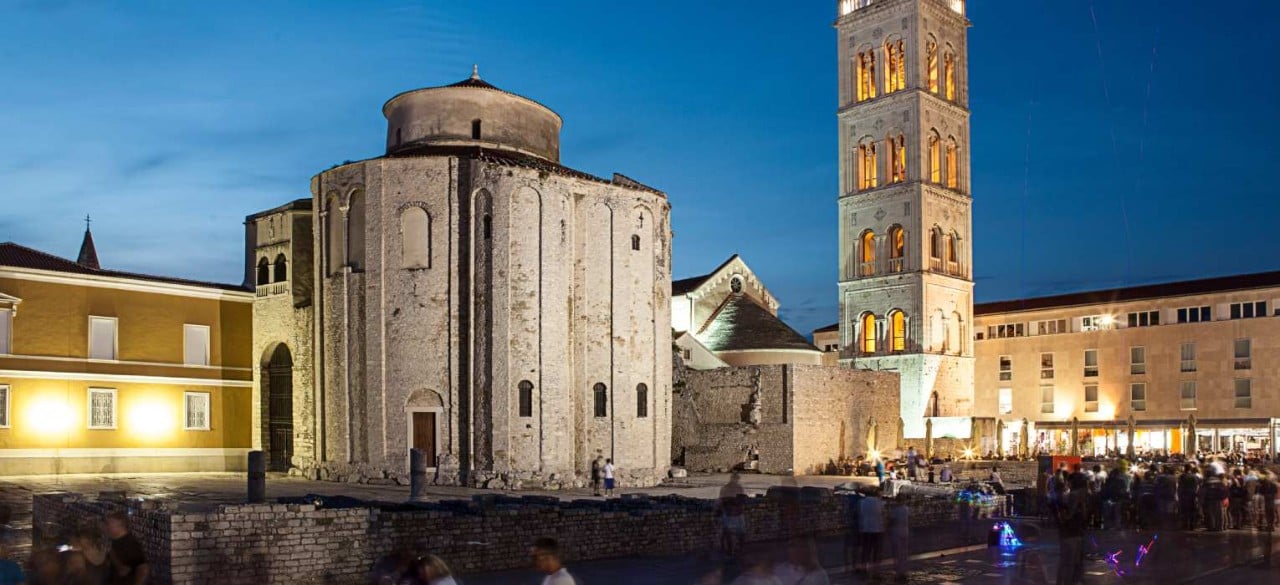
  • St. Donatus Church: This circular church is a symbol of Zadar and hosts summer concerts.
  • Island Hopping: Zadar is a launchpad for exploring the Kornati Islands and Dugi Otok.

Insider Tip: Zadar is less crowded than Dubrovnik or Split, making it ideal for travellers who want history without the hustle. The city’s café culture is strong—order a coffee and watch the world go by.

Image: The Church of St. Donatus

Pula is a city where Roman history takes center stage. Its star attraction is the remarkably well-preserved Roman amphitheatre, but the city also boasts a lively harbour, beaches, and a taste of Istrian cuisine.

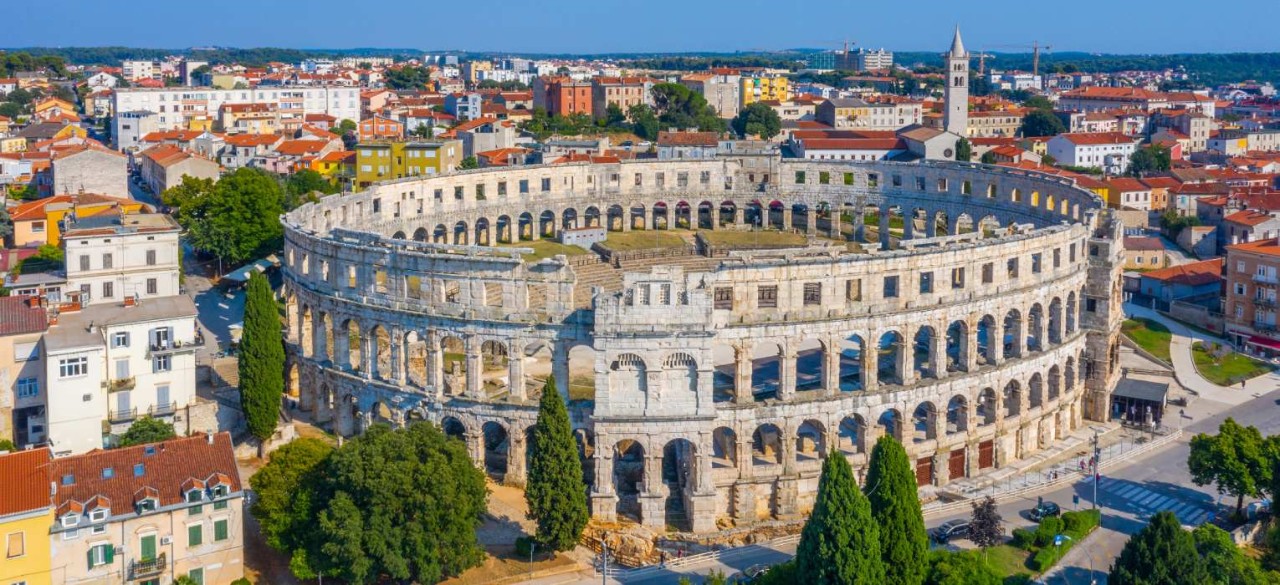
  • Pula Arena: This ancient amphitheatre is one of the best-preserved in the world. In summer, it hosts concerts and film festivals—imagine watching a movie where gladiators once fought!
  • Temple of Augustus: A beautiful Roman temple in the main square, perfect for history buffs.
  • Istrian Food and Wine: Pula is a gateway to the Istrian Peninsula, famous for truffles, olive oil, and Malvasia wine.
  • Cape Kamenjak: Just south of Pula, this rugged nature reserve offers crystal-clear waters and hidden coves.

Insider Tip: Pula is less touristy than Croatia’s southern cities. Combine your visit with a road trip through Istria’s hill towns for a taste of rural Croatia.

Image: Pula Arena

Zagreb is often overlooked by travellers heading straight to the coast, but those who linger discover a city with a quirky charm, vibrant street life, and a thriving arts scene.

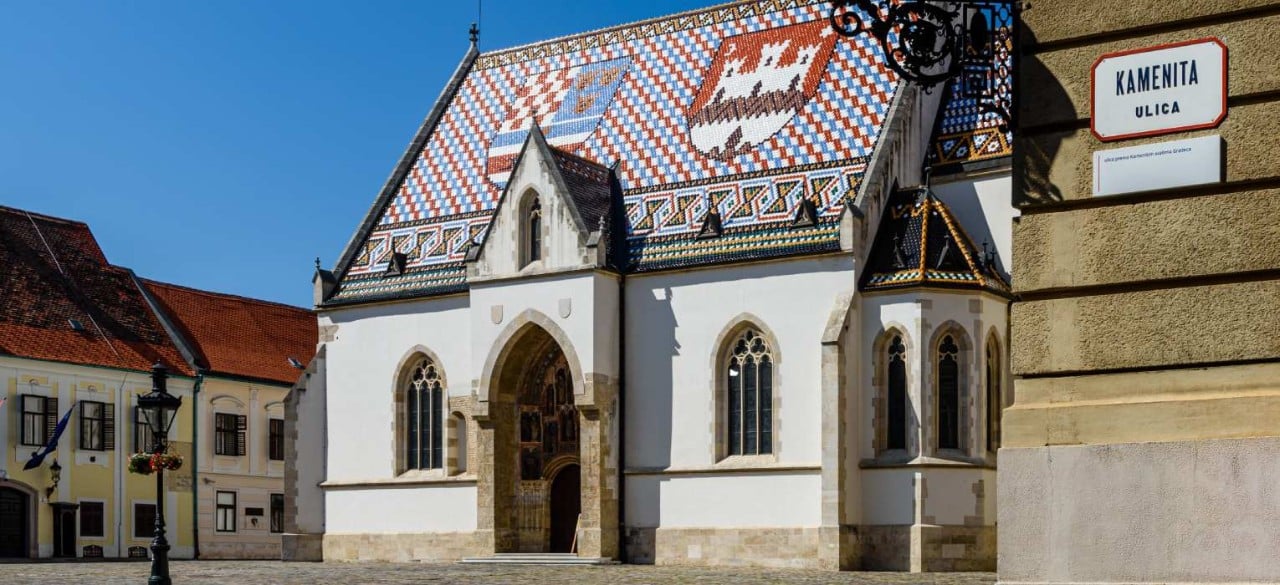
  • Upper Town (Gornji Grad): Ride the world’s shortest funicular to the old town, where you’ll find colourful rooftops, St. Mark’s Church, and the quirky Museum of Broken Relationships.
  • Dolac Market: Start your day like a local at this bustling farmers’ market—perfect for picking up fresh fruit or a pastry.
  • Tkalčićeva Street: Zagreb’s café culture shines here. Grab a seat, order a coffee, and soak up the atmosphere.
  • Parks & Art: Stroll through Zrinjevac Park or visit the Croatian Museum of Naïve Art for something different.

Insider Tip: Zagreb is a year-round destination, with lively festivals in summer and a magical Christmas market in winter. It’s also a great base for day trips to castles and the Plitvice Lakes.

Image: St. Mark's Church

  • Getting Around: Croatia’s cities are well-connected by buses and trains, but renting a car gives you the freedom to explore at your own pace—especially if you want to visit smaller towns or national parks.
  • When to Visit: Late spring (May–June) and early autumn (September–October) offer pleasant weather and fewer crowds. Summer is lively but busy, especially in Dubrovnik.
  • Local Etiquette: Croatians are friendly and proud of their heritage. A few words of Croatian (like “hvala” for thank you) go a long way.
  • Travel Insurance: Consider purchasing comprehensive travel insurance before your trip. This will give you peace of mind in case of unexpected events, such as eligible medical emergencies, trip cancellations, or delayed/lost luggage. Make sure your policy covers all the activities you plan to enjoy in Croatia.

Related articles
Travel protected with Allianz Global Assistance
Or call us at 1-844-310-1578 
to speak with one of our agents.
Join our Community of Travellers!­
Get great travel tips, updates and news straight to your inbox with our monthly eNewsletter.

Warning - The E-Mail Address configured for this form is either unverified or invalid. Please verify the E-Mail Address and try again later.

A verification E-Mail was sent to the following E-Mail addresses:

Kindly check the corresponding inbox for a verification E-Mail and verify it.

Click the "Submit" button to sign up for this eNewsletter - you can unsubscribe at any time.