
If you’re a Canadian traveller yearning for a destination that’s truly off the beaten path, Micronesia should be at the top of your list. This enchanting region, scattered across the western Pacific, is made up of more than 600 islands, each offering its own blend of natural beauty, fascinating history, and warm hospitality. Whether you’re a diver, a history buff, or simply looking to unplug and unwind, Micronesia delivers an experience that’s both unique and unforgettable.
Micronesia for Canadians: 2026 Travel Guide
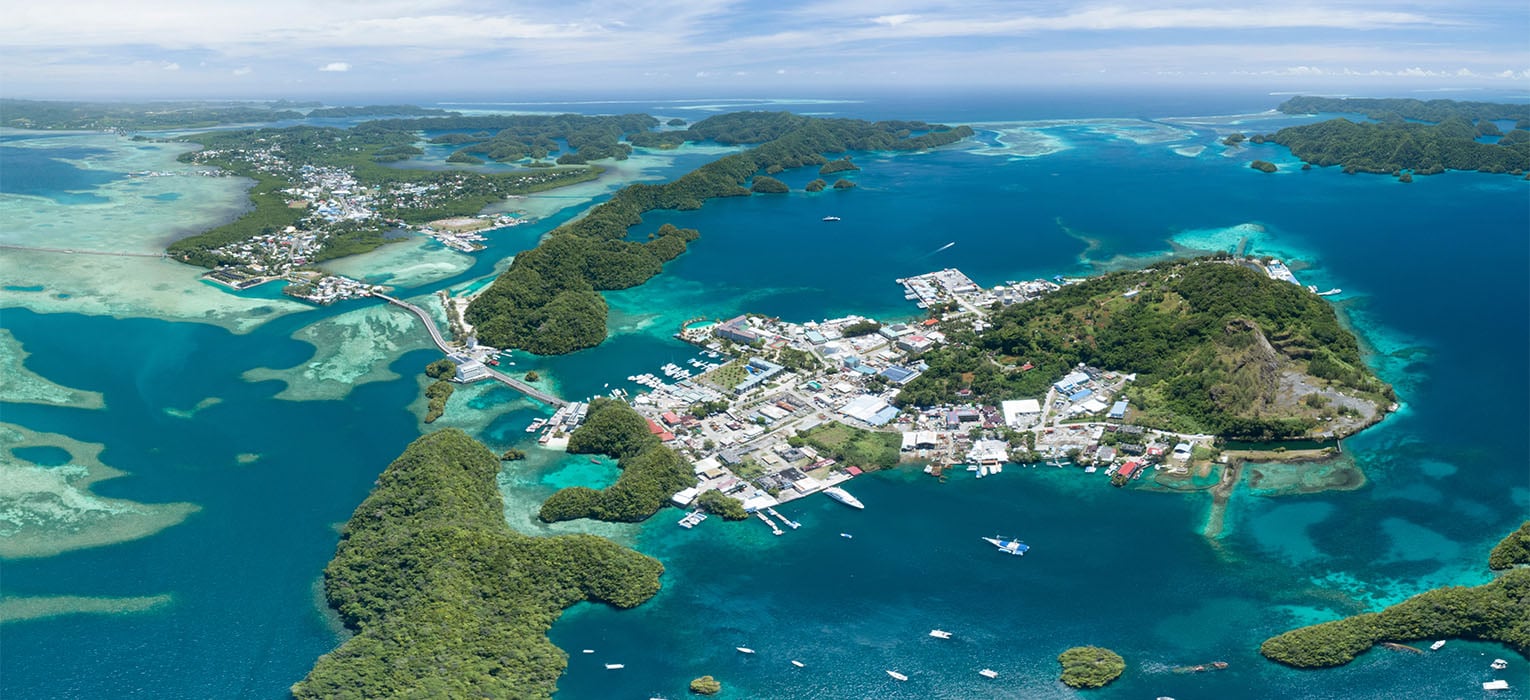
Why visit Micronesia?
Micronesia is a place where time seems to slow down. Here, you’ll find ancient ruins shrouded in jungle, vibrant coral reefs teeming with life, and communities that still celebrate centuries-old traditions. Unlike more commercialized tropical destinations, Micronesia remains refreshingly authentic. Canadians will appreciate the laid-back vibe, the ease of communication (English is widely spoken), and the use of the US dollar, which makes transactions simple and stress-free.
Quick facts for Canadian travellers
- Main Islands: Chuuk, Pohnpei, Yap, Kosrae
- Language: English (official), plus local languages
- Currency: US Dollar (USD)
- Time Zone: UTC+10/UTC+11
- Visa: Canadians enjoy visa-free entry for up to 30 days
- Getting There: Most flights connect via Guam or Honolulu
When to go: Weather, seasons, and festivals
The best time to visit Micronesia is during the dry season, from December to April. Expect warm temperatures, clear skies, and calm seas—perfect for diving, snorkeling, and exploring. The wet season (May to November) brings lush landscapes and fewer tourists, but also more rain and occasional typhoons. If you’re interested in local culture, plan your trip around one of the many island festivals, where you can witness traditional dances, canoe races, and vibrant celebrations.
Getting there and around
Getting to Micronesia from Canada requires a bit of planning, but the journey is part of the adventure. The most common routes are via Guam or Honolulu, with onward flights to Pohnpei, Chuuk, Yap, or Kosrae. United Airlines is the primary carrier serving these routes. Once you arrive, inter-island travel is mostly by small plane or boat, so build some flexibility into your itinerary. On the islands, taxis, rental cars, and local buses are available, but schedules can be relaxed—set your clocks to island time!
Top islands and must-see attractions
- Chuuk Lagoon: A diver’s paradise, Chuuk Lagoon is home to the world’s largest collection of WWII shipwrecks, now transformed into vibrant coral reefs. Even if you’re not a diver, snorkeling and glass-bottom boat tours offer a glimpse into this underwater museum.
- Pohnpei: Known for the mysterious ruins of Nan Madol—often called the “Venice of the Pacific”—Pohnpei also boasts lush jungles, towering waterfalls, and friendly villages. Don’t miss Sokeh’s Rock for panoramic island views.
- Yap: Yap is famous for its giant stone money and strong traditional culture. Here, you can witness ancient dances, visit local villages, and dive with majestic manta rays in crystal-clear waters.
- Kosrae: Nicknamed the “Sleeping Lady,” Kosrae is a haven for nature lovers. Explore pristine beaches, volcanic peaks, and the ancient Lelu Ruins, or kayak through mangrove forests teeming with wildlife.
Activities and experiences
- Diving & Snorkeling: Micronesia is a world-class destination for underwater adventures. Exploring Chuuk’s wrecks, Yap’s manta rays, and Pohnpei’s coral walls are just the beginning.
- Hiking & Nature: Trek through rainforests, chase waterfalls, and spot rare birds and orchids.
- Cultural Encounters: Participate in a sakau (kava) ceremony, watch traditional dances, or learn about ancient navigation techniques from local experts.
- Kayaking & Fishing: Paddle through atolls or try your hand at traditional fishing.
Where to stay: Accommodation guide
Accommodations in Micronesia range from eco-lodges and guesthouses to mid-range hotels. While luxury resorts are rare, you’ll find genuine hospitality and comfortable amenities. Book ahead, especially during festivals or peak diving season. Many properties offer meal plans and can help arrange tours and activities.
Food and drink: What to try
Micronesian cuisine is simple but satisfying, featuring taro, breadfruit, coconut, and fresh seafood. Try coconut crab, reef fish grilled over an open flame, and local fruit. Vegetarians will find options, but it’s wise to check ahead. Don’t miss sakau, a traditional drink made from pepper plant roots, especially if you’re invited to a local gathering.
Health, safety, and travel tips
- Health: No special vaccinations are required, but routine shots should be up to date. Drink bottled or filtered water, and bring reef-safe sunscreen.
- Safety: Crime is rare, but weather and remoteness can pose challenges. Always check local conditions before heading out.
- Money: The US dollar is used everywhere. ATMs are available in main towns, but bring cash for remote areas.
- Connectivity: Internet is available in hotels and cafes, but can be slow. Embrace the digital detox!
- Electricity: US-style plugs (Type A/B, 120V) are used – no special adaptors needed.
Budgeting your trip
Micronesia isn’t a shoestring destination, but it’s possible to travel smart. Expect to pay more for flights and inter-island travel; accommodations and food can be affordable. Many guesthouses offer meal plans, and local markets are great places to stop for snacks. Tipping isn’t expected, but appreciated in tourist areas.
Essential FAQs for Canadians
- What should I pack? Light clothes, rain gear (if visiting outside of dry season), sturdy shoes, reef-safe sunscreen, and a sense of adventure.
- Is travel insurance necessary? Medical facilities are limited, and evacuation can be costly and you may need it in case of serious illness or injury. Travel insurance can help fill these gaps
- How do I respect local culture? Dress modestly, ask before taking photos, and greet people with a smile.
Related articles
Travel protected with Allianz Global Assistance
Or call us at 1-844-310-1578
to speak with one of our agents.
to speak with one of our agents.
Join our Community of Travellers!
Get great travel tips, updates and news straight to your inbox with our monthly eNewsletter.