Puglia travel guide: Starting your southern Italian adventure in Bari

The heel of Italy’s boot, Puglia (pronounced Poo-lee-uh), has moved from being a well-kept secret to one of Europe’s most coveted destinations, offering a rare blend of affordability, authenticity, and natural beauty—a trifecta increasingly hard to find in Northern Italy.

For Canadian travellers seeking rich culture without the heavy tourist infrastructure and price tags of Florence or Venice, Puglia is the clear winner for 2026, prompting many to trade in the classic Tuscan villa for a whitewashed masseria stay.

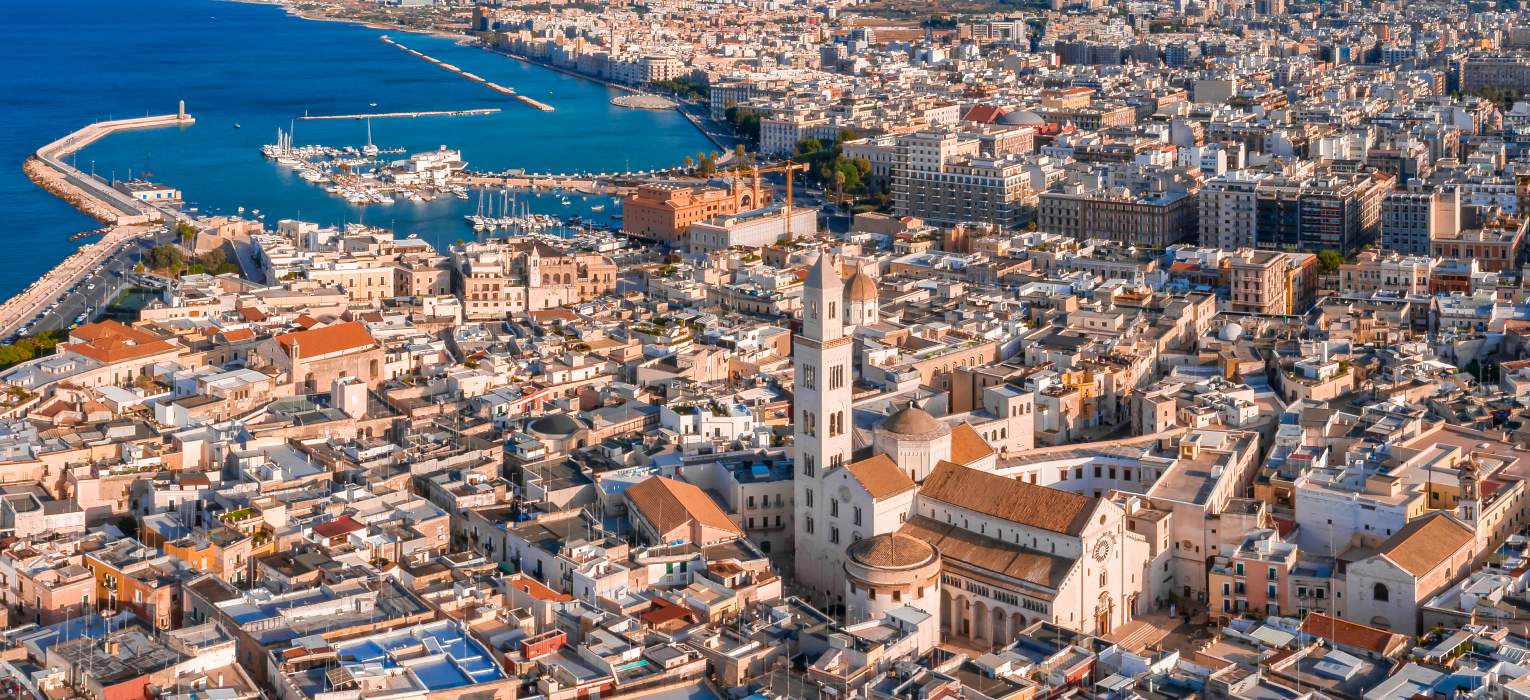
While the ultimate goal is the iconic coastlines of Polignano a Mare or the Trulli of Alberobello, the essential first step is the regional capital: Bari. Bari is far more than just an airport arrival gate; it is the vital logistical and cultural anchor for your entire Southern Italian exploration, and this guide is tailored to ensure your Puglia adventure is seamless, authentic, and unforgettable.
Bari’s Karol Wojtyła Airport (BRI) is the most crucial gateway. While direct flights from major Canadian cities are rare, connecting flights through major European hubs (like Rome, Frankfurt, or Munich) are frequent and efficient.

Once you land, the city center is easily accessed via the Ferrotramviaria metropolitan train service (often called the FM2 line), which takes only 17 minutes to reach Bari Centrale station.

Expert Insight: Do not rely on ride-sharing apps like Uber in Bari; they are virtually non-existent or unreliable. Utilize the efficient train from the airport, taxis (pre-booked or at the official airport stand), or your pre-arranged hotel shuttle.

The region of Puglia is long—stretching almost 400 km from the Gargano peninsula down to the Salento coast. Trying to see it all in a weekend is a mistake.

  • Minimum Recommendation: 7 to 10 days is the sweet spot. This allows you to use Bari (or another hub like Lecce) as a base, explore the Valle d'Itria (the Trulli valley), and spend a couple of days relaxing on the coast.
  • The Bari Anchor: Allocate 1.5 to 2 full days for Bari itself. This gives you time to recover from travel, explore the Old Town, and secure your train or car rental without rushing.

The short answer is yes. Bari is overwhelmingly safe for tourists. The city's safety profile is far better than some high-traffic Northern Italian hubs.

  • Bari Vecchia (Old Town): During the day and evening, this labyrinthine area is vibrant, heavily trafficked by locals and tourists, and very secure. The narrow alleys and tight community structure mean there’s always someone around.
  • Caution Zone: As with any major train station in Europe, exercise caution around Bari Centrale late at night. Pickpocketing can occur in crowded areas or on busy public transit. Keep valuables secure and avoid walking alone in poorly lit commercial districts after midnight.

This is the most critical logistical point for independent travelers. Puglia uses a dual rail system that can confuse newcomers:

  • Trenitalia (FS - State Rail): Connects all major cities (Bari, Lecce, Brindisi, Foggia). It is fast, modern, and reliable. Use the Trenitalia app for booking tickets to major hubs like Polignano a Mare.
  • Ferrovie del Sud Est (FSE): This is the local, private line necessary to reach smaller, key tourist towns like Alberobello, Martina Franca, and Locorotondo. It runs slower, older trains and sometimes uses buses as replacements. The FSE departs from a separate, side section of Bari Centrale. You must know the difference. Check timetables locally, as they are not always perfectly synchronized with the Trenitalia app.

Bari’s central location makes it the ideal launchpad for exploring the must-see UNESCO and coastal sites.

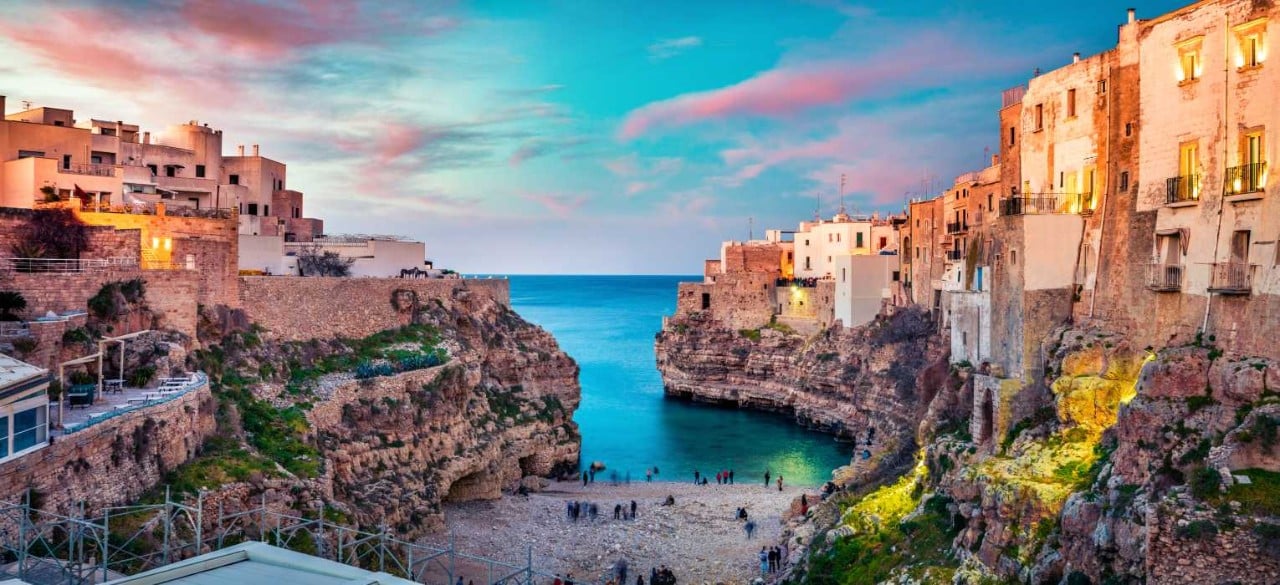
  • Why It Works: Polignano is the most accessible and recommended day trip from Bari. The regional Trenitalia line runs frequently (less than 40 minutes).
  • The Experience: Beyond the famous Lama Monachile beach (the iconic cove), take a boat tour to explore the area’s famous sea caves.
  • Expert Tip: Lama Monachile is beautiful but crowded. Just 15 minutes north on the coastal walk is Cala Paura, a local pebble beach with fewer tourists and excellent seaside restaurants.
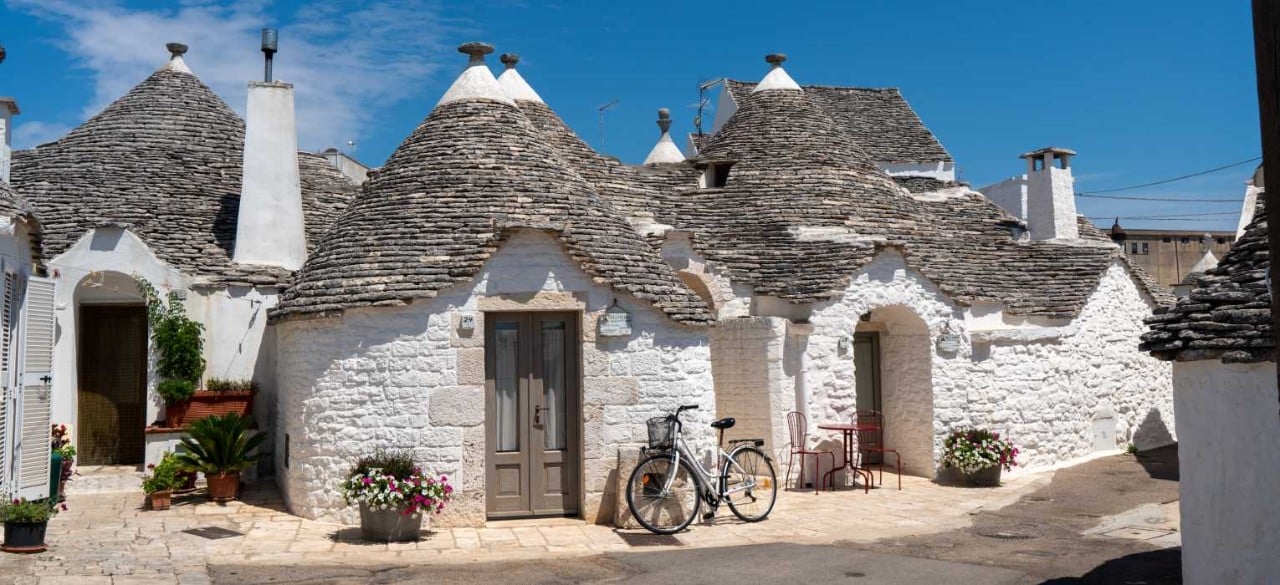
  • Why It Works: These whimsical, dry-stone Trulli homes are unique to the Valle d’Itria. While hyper-touristy, they are mandatory viewing.
  • Logistics Challenge: Requires the slower FSE train from Bari Centrale. Allocate 90 minutes each way. An even better option is using a private shuttle or renting a car, which allows you to see the less-crowded Locorotondo or Cisternino on the same trip.
  • Hidden Gem: Instead of paying for tours of the museum-style Trulli, walk into the less-trafficked Rione Aia Piccola district for a quieter, more authentic view of local life in a Trullo.

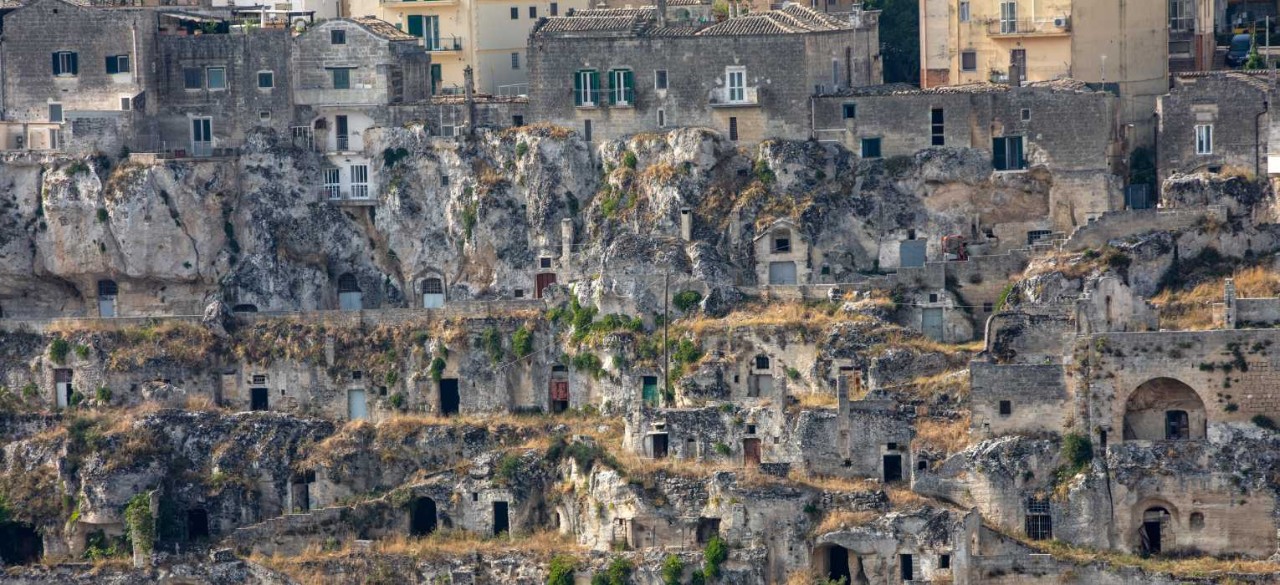
Matera, while technically in the neighboring Basilicata region, is the premier historical day trip from Bari. The city of ancient cave dwellings is breathtaking.

  • The Challenge: Matera is not served by Trenitalia. You must use the FAL (Ferrovie Appulo Lucane) line, which departs from another separate side of Bari Centrale. The journey takes about 1.5 hours.
  • The Recommendation: A direct bus or pre-arranged private shuttle is often less stressful and marginally faster than the train connection. Rental car is highly recommended for Matera.

Bari Vecchia is where the ancient heart of the city beats. It’s a sensory overload of laundry lines, stone alleys, and the smell of frying dough.

  • The Location: The iconic street is officially Via Arco Basso. Here, the nonne (grandmothers) set up tables outside their homes, hand-rolling the regional pasta specialty, Orecchiette (little ears).
  • The Protocol: Watching is free, but buying a bag of fresh pasta is the expected and appreciated gesture. They cost about €5-7 per kilo.
  • Unique Tip: Ask one of the nonne if they are preparing ciceri e tria (pasta with chickpeas). This deep-rooted regional dish is less common in tourist restaurants but is a local Puglian staple.
  • Basilica di San Nicola: This eleventh-century masterpiece is a major European pilgrimage site. Its crypt holds the relics of Saint Nicholas (the inspiration for Santa Claus). The mix of Romanesque architecture and the deep history of the Orthodox community (who also worship here) provides a profound cultural experience.
  • Castello Svevo di Bari (Swabian Castle): Built by the Normans and later reinforced by Frederick II, this is the city's robust medieval fortress. Wander its exterior walls before stepping into the Old Town maze.

Once you move past the immediate Bari area, these destinations require a rental car for maximum efficiency but offer the most rewarding experiences.

Lecce, located deeper south in the Salento Peninsula, is the opposite of rustic Bari. It is defined by the soft, golden Leccese stone carved into ornate Baroque palaces and churches.

  • Unique Feature: The city’s main piazza contains a partially sunken Roman Amphitheater, a stunning contrast to the surrounding Baroque splendor.
  • The Coffee Culture: Try a Caffè in ghiaccio con latte di mandorla (iced espresso with almond milk syrup), a uniquely Puglian tradition perfect for the warm climate.
  • Unique Feature: Ostuni is known for its dazzling, whitewashed historic centre, which echoes Greek architecture—a reminder of the region's ancient past as part of Magna Graecia.
  • The Experience: Wander the narrow, vertical streets to the highest point for panoramic views of ancient olive groves stretching toward the Adriatic.

While the Adriatic side (Polignano) gets the fame, the Ionian Sea side of Puglia (the western coast of the heel) offers warmer waters and superior sandy beaches.

  • Recommendation: Drive down to the Salento Peninsula and visit towns like Gallipoli or Porto Cesareo for Caribbean-like turquoise water.
  • Insider Tip: Check the daily wind conditions; locals choose the beach on the side of the peninsula that is least windy for the calmest waters.

Travel insurance is a valuable safeguard for your Puglia trip, covering both medical and non-medical emergencies. The medical benefits protect you from the high, non-subsidized costs of Italian healthcare and the expense of emergency medical evacuation back to Canada. The non-medical benefits cover your non-refundable trip investment against losses from unforeseen delays or cancellation due to covered events. This comprehensive coverage ensures your focus remains entirely on enjoying Puglia's unique culture and scenery.


Related articles

Forget generic Italian pizza. In Bari, it's about the Focaccia Barese.

  • The Difference: True Focaccia Barese is made with mashed potato in the dough, giving it a unique spring and tenderness, and is topped with cherry tomatoes and olives.
  • Where to Go: Skip the tourist traps near the Basilica. Head to Panificio Fiore (Antico Panificio Santa Rita), a legendary local bakery right in Bari Vecchia. 
  • Must-Try Street Foods:
  • - Panzerotti: Small, deep-fried pockets of dough stuffed with mozzarella and tomato (the Puglian version of a calzone).
    - Sgagliozze: Fried squares of polenta, often sold by street vendors in the Old Town. Perfect, salty, cheap snack food.
Travel protected with Allianz Global Assistance
Or call us at 1-844-310-1578 
to speak with one of our agents.
Join our Community of Travellers!­
Get great travel tips, updates and news straight to your inbox with our monthly eNewsletter.

Warning - The E-Mail Address configured for this form is either unverified or invalid. Please verify the E-Mail Address and try again later.

A verification E-Mail was sent to the following E-Mail addresses:

Kindly check the corresponding inbox for a verification E-Mail and verify it.

Click the "Submit" button to sign up for this eNewsletter - you can unsubscribe at any time.