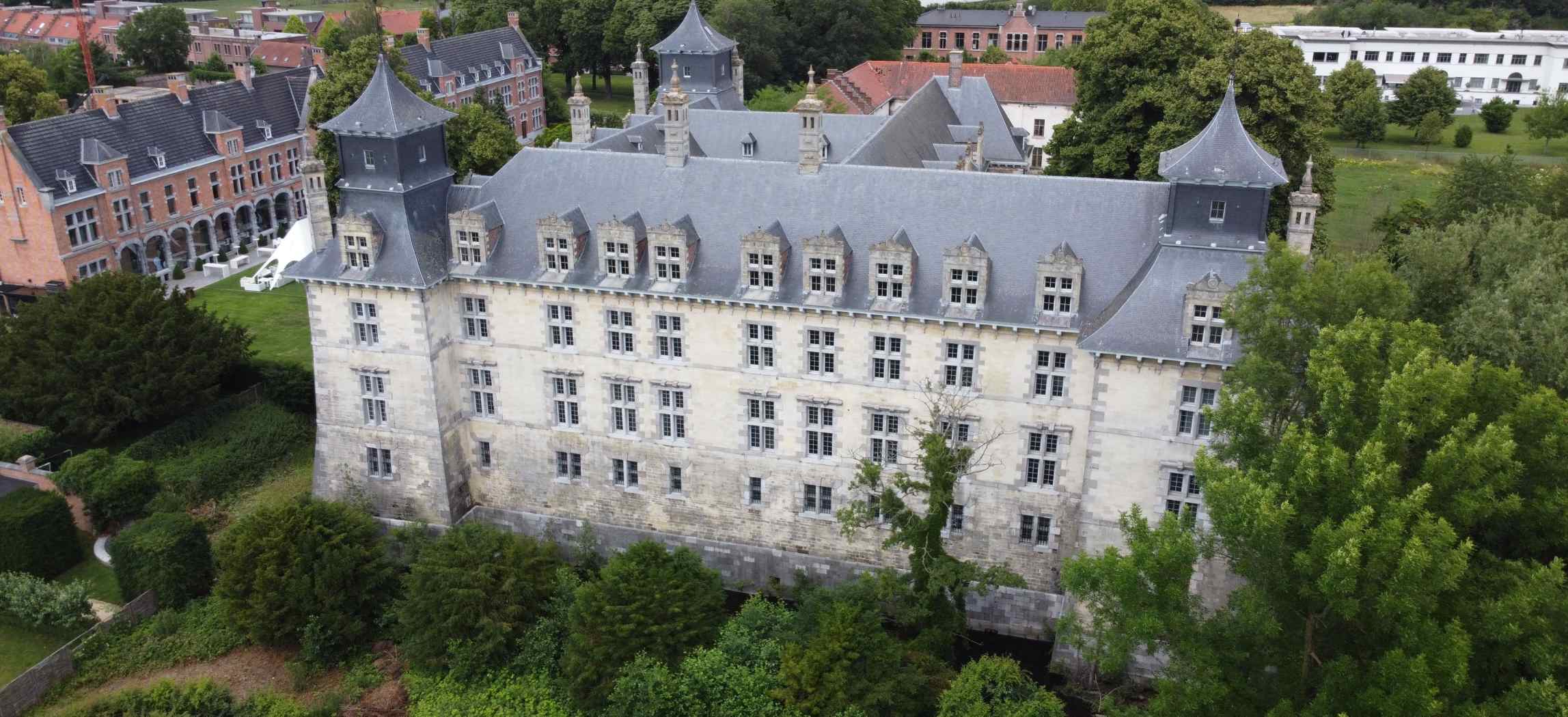
Upcycled hotels & converted stays: Sleeping in historic stations, schoolhouses & silos

There is a distinct moment, just before sleep, when a room tells you what it used to be. It might be the colossal height of a timber-beamed ceiling that once echoed with steam train whistles, or the smooth, worn groove on a hardwood floor where desks sat locked in rows for half a century. Standard hotel rooms, for all their plush linens and quiet air conditioning, are often designed to be intentionally forgotten—blank canvases engineered for uniform comfort. But adaptive reuse stays do the exact opposite: they invite you to spend the night inside a story.

Across the globe, a quiet revolution in travel is taking hold. Travelers are bypassing predictable cookie-cutter lodging in favor of salvaged structures—buildings saved from demolition and given a second life through imaginative architecture. Whether it is a grand rail terminus transformed into a luxury concourse or an abandoned grain silo carved into a sleek minimalist suite, these upcycled hotels offer something rare in modern tourism: an unrepeatable sense of place.

Few architectural forms carry the dramatic nostalgia of the 19th and early 20th-century railway station. Designed during the golden age of transit, these buildings were constructed as civic cathedrals—boasting vaulted archways, hand-carved mahogany benches, massive iron trusses, and soaring clock towers. Today, as high-speed rail and modern hubs displace historic tracks, visionary hotel designers are stepping in to preserve these transit monuments.

Stepping into a converted train station hotel feels like walking onto a film set. Central ticket halls have been reimagined as ambient cocktail lounges where guests sit beneath original arrivals boards. Concourse platforms, once bustling with passengers, now host glass-enclosed dining terraces. In many properties, disused Pullman sleeper cars parked along preserved tracks have been converted into luxurious individual suites, featuring velvet upholstery, restored brass fixtures, and private observation decks.

Real-World Examples: Iconic stations preserved for guest stays include The Union Station Nashville Yards (Nashville, Tennessee, USA), St. Louis Union Station Hotel (St. Louis, Missouri, USA), and St. Pancras Renaissance Hotel London (London, United Kingdom).

If train stations represent grand civic romance, historic schoolhouses evoke a warmer, intimate nostalgia. Scattered across rural towns and historic urban districts, 19th-century brick and timber schoolhouses are quickly becoming some of the most sought-after group vacation rentals on the market.

The architectural DNA of a schoolhouse makes it uniquely suited for modern living. Original builders prioritized natural illumination, installing floor-to-ceiling multi-pane windows that flood interiors with soft light. Double-height ceilings give living areas an airy, cathedral-like atmosphere, while heavy hardwood floorboards add unmatched character.

Owners of upcycled schoolhouse stays often preserve iconic details: original slate chalkboards serve as kitchen feature walls or guestbooks, while former gymnasiums are transformed into sprawling open-concept living quarters. For family reunions or creative retreats, these properties strike a rare balance between communal spaces and private quarters.

Real-World Examples: Experience repurposed schoolhouses at McMenamins Kennedy School (Portland, Oregon, USA), The Schoolhouse Hotel (White Sulphur Springs, West Virginia, USA), or The Schoolhouse Hotel (Dublin, Ireland).

Beyond traditional public buildings lies the rugged frontier of industrial upcycling. Architects are increasingly turning their focus to raw industrial relics, proving that structural beauty often lives in unexpected places:

  • Grain Silo Conversions: Circular concrete or steel structures converted into multi-story cylindrical suites. Top destinations include The Silo Hotel (Cape Town, South Africa), SiloStay (Little River, New Zealand), and Abbey Road Farm (Carlton, Oregon, USA).
  • Factory & Mill Conversions: Exposed iron beams, weathered brickwork, and massive loft windows. Standout stays include Wythe Hotel (Brooklyn, New York, USA), The Henry Jones Art Hotel (Hobart, Tasmania, Australia), and Cotton House Hotel (Barcelona, Spain).
  • Shipping Container Cabins: Modular, low-impact eco-lodges situated in wilderness settings, such as Inner Joy Getaways (Ontario, Canada), Flophouse Container Hotel (Round Top, Texas, USA), and CONTAINER Hotel (Děčín, Czech Republic)

Choosing adaptive reuse preserves the embodied carbon already locked inside stone, brick, and steel—making upcycled stays one of the greenest choices a traveler can make.

Swipe to view more

Stay Category
Primary Architectural Feature
Ideal Traveler / Vibe
Converted Train Station Soaring concourses, arched ironwork, railcar suites Couples, history lovers, design enthusiasts
Historic Schoolhouse Giant window banks, original chalkboards, high wood ceilings Groups, multi-generational families, retreats
Industrial, Silo & Container Raw brick, exposed steel, unique circular or modular footprints Eco-conscious travelers, minimalists, solo explorers

Finding genuine upcycled stays requires looking beyond standard hotel booking engines. Search using terms like "adaptive reuse hotel," "historic conversion lodging," or select specialized categories on major platforms (such as historic home or unique structure filters).

Before confirming your reservation, check for key comfort updates: ensure the property features modern climate control and confirm accessibility details, as older historic layouts may feature narrow staircases or split levels. When done right, an upcycled stay offers more than a bed for the night—it offers a rare connection to history, design, and sustainable innovation.

Booking an upcycled hotel or historic conversion is rarely like reserving a standard chain room. Because these independent boutique stays—like private schoolhouses, grain silos, or remote container cabins—have limited room capacity, they may enforce strict, non-refundable deposit policies.

Trip cancellation, delay, and interruption coverage can help ensure your pre-paid non-refundable trip investment is fully protected if covered emergencies arise before or during your trip.

This article is intended for general informational purposes only and does not constitute legal, medical, financial, or other professional advice. Allianz Global Assistance is not responsible for the use of external websites or applications, or the content or accuracy of external website information.


Related articles
Travel protected with Allianz Global Assistance
Or call us at 1-844-310-1578 
to speak with one of our agents.
Join our Community of Travellers!­
Get great travel tips, updates and news straight to your inbox with our monthly eNewsletter.

Warning - The E-Mail Address configured for this form is either unverified or invalid. Please verify the E-Mail Address and try again later.

A verification E-Mail was sent to the following E-Mail addresses:

Kindly check the corresponding inbox for a verification E-Mail and verify it.

Click the "Submit" button to sign up for this eNewsletter - you can unsubscribe at any time.