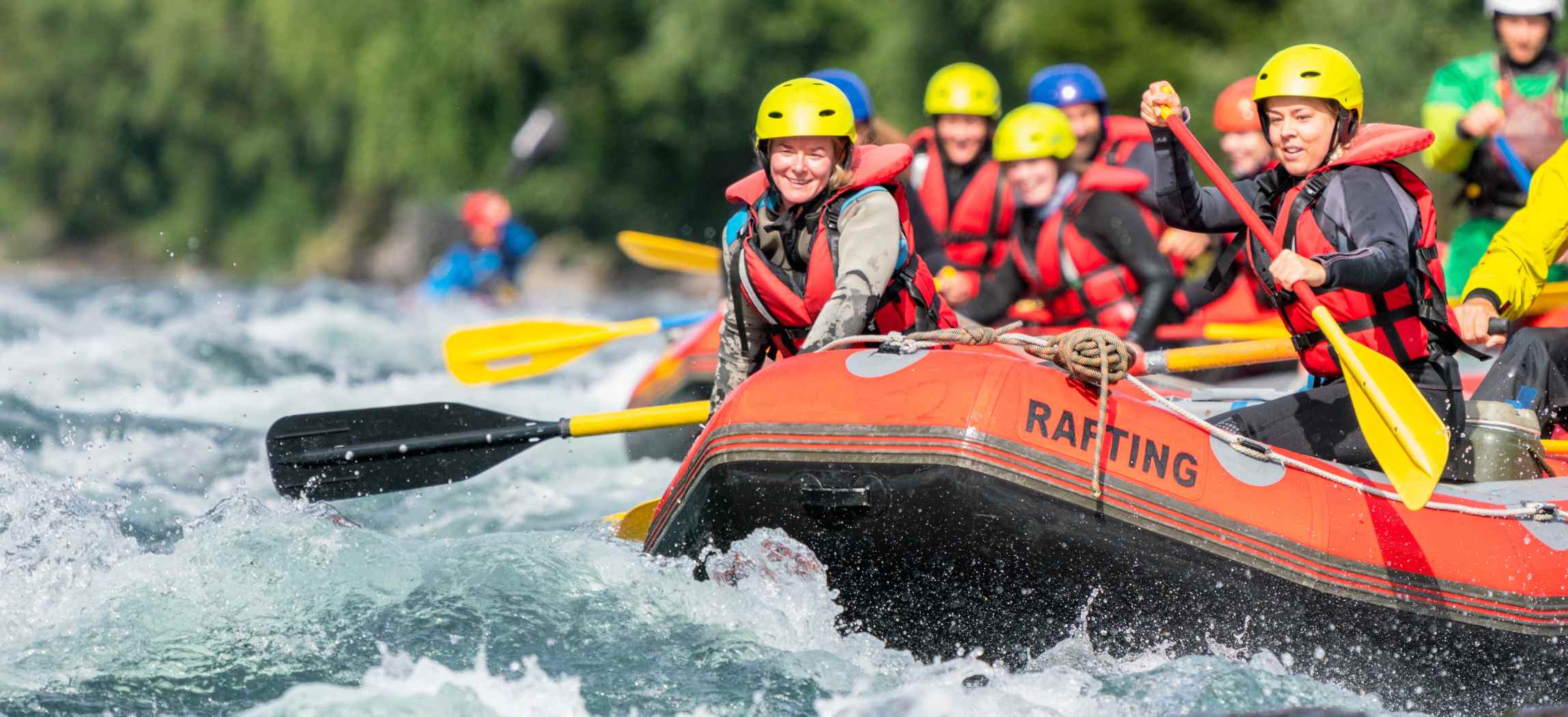
Adventure travel is more popular than ever, but before you pack your gear for a high-octane trip, it is vital to understand what your travel insurance actually covers. Many travelers assume that a standard policy covers any emergency, yet "adventure" and "high-risk" activities often fall under specific exclusions.
Based on the Emergency Medical coverage from Allianz Global Assistance, here is a breakdown of how adventure sports are typically handled.
Most standard policies explicitly exclude "extreme" or "high-risk" activities. If you are injured while participating in these, your claim will likely be denied. Prohibited activities under this plan include, but are not limited to:
- Aerial Sports: Skydiving, BASE jumping, hang gliding, and parachuting.
- Mountain & Climbing Activities: Caving, rappelling, and spelunking. "Climbing sports" (using harnesses, ropes, or ice axes) and "free climbing" are excluded, though supervised climbing on artificial surfaces for recreation may be permitted. If you are visiting a cave that is an established tourist attraction, you may be covered for emergency medical benefits. However, if your caving or spelunking plans requires technical equipment (like ropes and harnesses) for climbing, rappelling, or navigating complex vertical or extremely tight passages, do not assume your travel insurance covers you.
- Winter Sports: Skiing or snowboarding outside of marked trails or in areas only accessible by helicopter (heliskiing).
- Water Activities: Scuba diving at depths greater than 20 meters or diving without a dive master. Free diving and racing any motorized watercraft are also excluded.
- Combat & Racing: Personal combat or fighting sports, as well as racing or practicing to race any motorized vehicle.
For a high-risk activity (that is not specifically excluded) to be eligible for coverage, it must meet several strict criteria:
- Trip Arrangement: The activity must be arranged as part of your trip and not prohibited by law.
- Professional Oversight: It must be provided by a company that is regulated or licensed where required.
- Safety Standards: You must wear all recommended safety equipment and use sporting equipment only for its intended purpose.
- Altitude Limits: Activities intended to reach elevations above 4,500 meters (other than as a passenger on a commercial plane) are considered "high-altitude" and are typically excluded.
There is a significant difference between recreational fun and professional competition. This policy strictly excludes participation in or training for any professional sporting competition. This is defined as any event where competitors are under contract to a club or organization for financial remuneration.
- Read Your Definitions, Terms, and Conditions: Don't guess what "climbing" or "accident" means; check the specific definitions in your policy to see where the line is drawn.
- Seek Approval: If you require emergency care for a covered injury, you (or someone on your behalf) must contact your insurance provider before seeking treatment whenever possible. Failure to do so could result in the insurer only paying 80% of eligible expenses.
- Know Your Rights: Many plans have an overall maximum for emergency medical (such as $10 million), but sub-limits may apply to specific services like dental emergencies or physical therapy.
Before you depart, ensure your itinerary aligns with your policy's "Description of Coverage" to avoid being left unprotected during an emergency. If you have any questions, regarding the adventure sport activity you plan to undertake will be covered or not, please reach out to Allianz Global Assistance for clarification.
This article is intended for general informational purposes only and does not constitute legal, medical, financial, or other professional advice. Allianz Global Assistance is not responsible for the use of external websites or the content or accuracy of external website information.