
The Government of Canada advises citizens to Exercise a high degree of caution when traveling to Mexico due to high levels of crime and kidnapping. While popular tourist areas have increased security, vigilance is necessary across all destinations. This guide addresses the five most common safety concerns raised by travellers for the five most-searched locations.
Travel safe: Safety tips for Mexico's top destinations
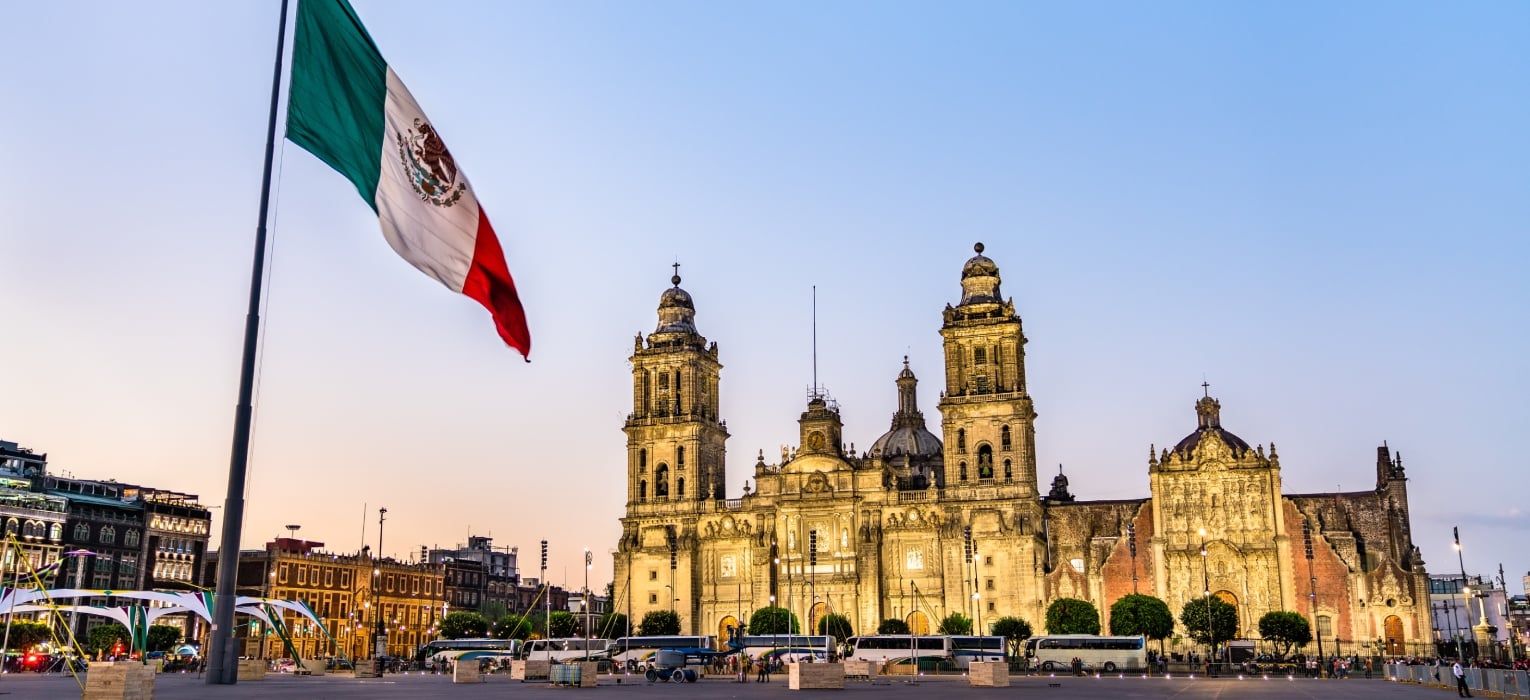
Is my destination safe? (Cancún, CDMX, Tulum, Puerto Vallarta, Cabo)
General safety levels vary dramatically within and between states. Always check the current Canadian travel advisory for your specific region, as certain areas (like the Guerrero or Colima states) carry a higher "Avoid all non-essential travel" warning.
- As a general rule, travellers should avoid going to any destination—whether a country, region, or city—where government or public authorities have issued travel restrictions or advisories like “avoid all travel” or “avoid non-essential travel”. Travelling to such places not only imposes a safety risk, but can also affect your travel insurance coverage, as most policies list such advisories levels as an exclusion for coverage clause. Cancún & Tulum (Quintana Roo): The heavily secured Hotel Zone (Cancún) and Beach Road (Tulum) are the safest areas. However, be aware that violence related to organized crime has occurred in non-tourist adjacent areas of the Mayan Riviera.
- Mexico City (CDMX): Tourist-heavy neighbourhoods like Roma Norte, Condesa, and Polanco are generally safe during the day, but petty crime is constant. Avoid venturing into high-risk areas like Tepito.
- Puerto Vallarta (Jalisco): The Zona Romantica and Marina Vallarta are secure. Avoid the border zone with Michoacán State.
- Cabo San Lucas (Baja California Sur): The Los Cabos tourist corridor is stable and a focus for security efforts.
Is Uber safe in Mexico? (Transportation Safety
Concerns about getting around safely—both within cities and between them—are top search priorities.
- Rideshare Apps (Uber/DiDi): Generally considered the safest option in major cities (like CDMX) as they provide an electronic trail. Always confirm the license plate and driver name before entering.
- Authorized Taxis: At airports and bus stations, only use authorized sitio (station) taxis purchased at a dedicated kiosk. Avoid hailing street taxis late at night, especially in Mexico City, due to the risk of "express kidnapping" (short-term detention for an ATM withdrawal).
- Intercity Travel: ADO buses are highly recommended for travel between major tourist hubs (e.g., Cancún to Tulum, Oaxaca to Puerto Escondido) as they are safe, reliable, and modern. Avoid driving long distances at night due to road hazards and security risks.
What are the common tourist scams and ATM safety tips?
Petty crime and financial fraud are the most common issues reported by travellers.
ATM security
- Use ATMs inside bank lobbies, major shopping malls, or reputable resorts. These are less likely to be tampered with (skimming devices).
- Cover the keypad when entering your PIN.
- Avoid using standalone ATMs on the street or in dimly lit areas.
Scam awareness
- Counterfeit Police/Officials: Be wary of individuals claiming to be police asking to see your passport or wallet. Insist on going to the nearest police station.
- Taxi Overcharging: Always agree on the fare before the ride begins if the taxi is not metered or app-based.
- Fake Timeshare/Excursion Deals: Be skeptical of unsolicited offers on the street or at the airport that seem too good to be true.
LGBTQ+ safety tips
- Same sex marriage has been legal nationwide since 20229 and Mexico’s constitution prohibits discrimination based on sexual orientation. Unfortunately, even while travelling in places you believe to be LGBTQ-friendly, it is wise to remain discreet to avoid drawing the attention of bigoted people who may wish you harm.
- You will find the most safety among other LGBTQ+ people. Puerto Vallarta is considered Mexico’s most popular LGBTQ+ destination, known for accomodations, nightlife and a beach catering to the LGBTQ+ community.
Safety tips for families travelling with children
- Before you leave home, ensure that each member of your family has a recent medical checkup and is up-to-date on recommended vaccinations. Sightsee within tourist zones and stay at a family-oriented resort. Obviously, stay aware of your environment and keep a close eye on your children. If you venture outside of your resort, opt for reputable, guided tours and hire a private driver.
Safety tips for seniors
- Many seniors may have mobility limitations, which can pose significant problems while travelling in Mexico. But with some careful planning, you can have an enjoyable experience. Keep in mind that some accomodations in Mexico won’t have handrails on stairs, elevators or similar features.
- Connect with expats and read online expat forums to stay aware of the latest common tourist scams, which often target older people.
- Seniors may want to take extra care to protect their health. Take precautions against heat stroke by avoiding the outdoors during the hottest parts of the day and stay hydrated. Make sure you have extra refills of medications from home, along with a doctor’s note and the original bottle to avoid any issues travelling to and within the country.
Travel insurance and medical planning
Travel insurance is perhaps the single most important financial safety net you can have when traveling to Mexico. A comprehensive travel insurance policy provides valuable coverage for these high-cost medical emergencies, as well as protection against non-health-related mishaps like trip cancellation, interruption due to unforeseen events, or the loss/delay of checked baggage and personal valuables.
As a general rule, travellers should avoid going to any destination—whether a country, region, or city—where government or public authorities have issued travel restrictions or advisories like “avoid all travel” or “avoid non-essential travel”. Travelling to such places not only imposes a safety risk, but can also affect your travel insurance coverage, as most policies list such advisories levels as an exclusion for coverage clause.
Travel prepared, not afraid
- Emergency numbers: Always have local emergency numbers (911) and your resort/consulate contact information readily available.
- Sharing plans and staying connected: Maintain regular communication with friends or family back home. Use messaging apps to share your GPS location when heading out for the day. Make copies of important documents (passport, travel insurance, contact numbers) and store them securely online or in print.
- Canadian-specific travel advisories and resources: Canadians should regularly review travel advisories for Mexico from Global Affairs Canada. Register with the Registration of Canadians Abroad to receive updates and facilitate consular assistance. The Canadian embassy and consulates provide help in emergencies, assist in lost documents, or issue travel alerts. Keep their contact information on hand throughout your trip.
- Sharing plans and staying connected: Maintain regular communication with friends or family back home. Use messaging apps to share your GPS location when heading out for the day. Make copies of important documents (passport, travel insurance, contact numbers) and store them securely online or in print.
Related articles
Safety tips for female travellers
Unfortunately, women who travel alone are at greater risk of becoming victims of crime. The following practical tips can help keep you safe while vacationing in Mexico.
- Do not use public transportation if you don’t see any other women on board. In Mexico City, there are women and children-only commuter train cars7. Local buses don’t offer this service. You may be taking chances with your safety on public transit if there are only men around. Wait for the next bus.
- Avoid drugs and alcohol. These substances can impair your judgment, awareness of your surroundings and ability to defend yourself against assault. Avoid calling attention to yourself with expensive jewelry, revealing clothing and expensive items, such as mobile phones and other electronic devices. Ignore catcalling, so you don’t give the offender additional attention.
- Keep details about where you are going and where you are staying private. You never know what people’s intentions are. Stay aware of your surroundings and avoid walking or taking public transit at night.
- The following is women’s health tip: If you use tampons, bring plenty before travelling in Mexico, or consider alternative methods for capturing menstural flow. It is difficult to find tampons in the country8 and when you do, they are often expensive.
Is it safe to walk alone at night in tourist areas?
Caution increases significantly after sunset.
- General Rule: Avoid walking alone after dark, even in major tourist zones. Stick to well-lit, populated main streets and use a reputable ride service for trips after 10 p.m.
- Vigilance in CDMX: Be highly attentive when using the Metro system, especially during rush hour, as pickpocketing is rampant.
- Do Not Resist: If confronted by an armed criminal, do not resist. Surrender your belongings immediately; violence often occurs when a victim resists.
Is the water safe to drink in Mexico?
Health and well-being are primary concerns for a comfortable trip.
- Water & Ice: Never drink tap water unless specifically confirmed as purified and safe (very rare). Use bottled water for drinking and brushing teeth. Be cautious with ice, ensuring it is made from purified water, particularly outside of high-end resorts.
- Tainted Alcohol: There have been reports of tainted or bootleg alcohol, particularly at all-inclusive resorts. Only consume drinks prepared by trusted staff and report any unusual side effects immediately.
- Stay Healthy: Use mosquito repellent to guard against Dengue and Zika, especially in coastal and jungle areas like Tulum and Cancún. Consult a travel health clinic before your trip for recommended vaccinations.
Safety tips for vulnerable groups
NOTICE: While the Information is considered to be true and accurate at the date of publication, changes in circumstances after the time of publication may impact on the accuracy of the information. We strongly recommend verifying the travel advisory of your destination prior to departure.
DISCLAIMER: While every effort has been made to ensure the accuracy of all information as at the date of publishing, Allianz Global Assistance does not accept liability for any errors or omissions. Allianz Global Assistance strongly recommends seeking the guidance of a professional travel agent/agency for further information on a specific destination. On your next trip, whether to another province or country, ensure you have travel insurance as it may assist you in cases of unforeseen medical emergencies and other types of mishaps that can happen while you travel. Travel insurance does not cover everything, please always refer to the policy document for full terms and conditions, including limitations and exclusions. Photography Credits: T photography, ChameleonsEye, Gerardo C.Lerner, Shutterstock.com.
Travel protected with Allianz Global Assistance
Or call us at 1-844-310-1578
to speak with one of our agents.
to speak with one of our agents.
Join our Community of Travellers!
Get great travel tips, updates and news straight to your inbox with our monthly eNewsletter.