Nestled on the southeastern coast of Phuket Island, Phuket City is a vibrant hub that captivates travelers with its harmonious blend of history, culture, and modern comfort.
Unlike the sun-drenched resort towns of Patong or Kata, Phuket City—often referred to as Phuket Town—offers a more authentic taste of Thai urban life. Its colorful Sino-Portuguese architecture, bustling markets, and lively street art draw travelers eager for deeper experiences beyond the beach.
Whether you’re a culture lover, foodie, or eager explorer, Phuket City promises a rich tapestry of sights and experiences.
This guide is designed to deliver essential, up-to-date insight for Canadian tourists and first-time international visitors to Phuket City. With information on safety, transport, food, accommodation, and local customs, this guide can help equip you to navigate the city confidently and create unforgettable memories on your Thai getaway.
General safety overview and common concerns
Phuket City, like most of Thailand, is generally safe and welcoming to tourists. Violent crime is rare, and the city maintains a laid-back vibe. However, petty thefts like pickpocketing can occur in crowded areas, especially during festivals or at popular markets. Being mindful of your belongings and using hotel safes for valuables can minimize risk.
Watch out for common travel concerns: - Motorbike accidents are the leading source of tourist injuries. Always wear a helmet. - Spiked drinks at bars or nightclubs are rare but possible—never leave your beverage unattended. - Respectful behavior (covering shoulders and knees in temples, removing shoes before entering homes) helps with smooth interactions with locals.
Transportation safety and scams to watch for
Transportation scams, while not rampant, can impact unwary travelers. Some of the most common:
- Overcharging taxis: Agree on a price or request the meter before starting your trip.
- Unauthorized tour packages: Book only with reputable travel agencies.
- Jet ski scams: Inspect vehicles carefully and take photos before renting.
To minimize risk:
- Use official taxi stands or ride-hailing apps.
- Request fares in advance or insist on using the meter.
- Avoid giving your passport as collateral for rentals.
Health, emergency contacts, and travel insurance advice
Health facilities in Phuket are modern, especially in the city center. Reputable hospitals and clinics cater to tourists. Tap water is not safe to drink; always use bottled water for drinking and brushing teeth.
Useful emergency contacts:
- Police: 191 - Tourist Police: 1155 (English-speaking support)
- Ambulance & Medical Emergency: 1669
Purchase comprehensive travel insurance, which may cover accidents, healthcare, baggage delay/lost, and trip interruptions, for peace of mind throughout your stay.
Getting around Phuket City and surrounding areas
Public transport options: Buses and songthaews
Phuket City is served by blue-and-white local buses (songthaews)—open-sided trucks with set routes. They are an economical way to travel between Phuket Town and popular beaches like Patong, Kata, and Karon. Fares are budget-friendly, typically ranging from 30-50 THB, but service can be slow and schedules may be irregular.
Taxis, ride-hailing apps, tuk-tuks, and motorbike taxis
- Taxis: Metered taxis are reliable but relatively scarce. Most journeys should be negotiated for a fair price if the meter is refused.
- Ride-hailing apps: Grab (similar to Uber) is widely used and transparent with pricing, providing a stress-free way to travel.
- Tuk-tuks: Fun but pricier than buses for short distances—always agree on price up front.
- Motorbike taxis: Economical and quick for solo travelers but riskier in terms of road safety.
Vehicle rentals and walking or cycling tips
- Scooter/motorbike rentals: Popular for flexibility but best for experienced riders due to chaotic traffic.
- Car rentals: Available for day trips to outer beaches and attractions. International permit required.
- Cycling & walking: Old Town is pedestrian-friendly with picturesque streets. Always be aware of traffic, especially outside tourist zones.
Best time to visit Phuket City
- Dry Season and Peak Tourist Months: The dry season, from November to April, is ideal for sunseekers. December to March sees the highest influx of tourists, bringing clear skies, pleasant temperatures, and bustling events. This is the best time for sightseeing and beach-hopping, but expect higher prices and bookings in advance are recommended.
- Shoulder Season: May and October are shoulder months marking the transition between seasons. The weather is still relatively pleasant with fewer crowds, slightly lower prices, and more accommodation availability—an excellent option for budget-conscious travelers.
- Rainy Season Advantages and Disadvantages: From May to October, the rainy (monsoon) season brings periodic heavy showers, generally in the afternoon. While some days are bright and sunny, sea conditions can be rough, and some tours may be canceled. On the upside, lush landscapes, vibrant festivals, and discounted hotel rates make this a unique (and quieter) time to visit.
Top attractions and cultural sites in Phuket City
Phuket old town and historical architecture
Phuket Old Town is a living museum of Sino-Portuguese mansions, shophouses, and colonial-era buildings, many painted in cheery pastels. Thalang Road is the heart of the Old Town, lined with quirky boutiques, coffee shops, and intricate shrines. Weekend Night Market and Sunday Walking Street feature local crafts, live music, and tasty street food.
Major temples and spiritual landmarks
- Wat Chalong: The island’s largest and most revered Buddhist temple, an essential stop for visitors seeking insight into local spirituality.
- Jui Tui Shrine: A striking Chinese Taoist temple, vibrant during the annual Phuket Vegetarian Festival.
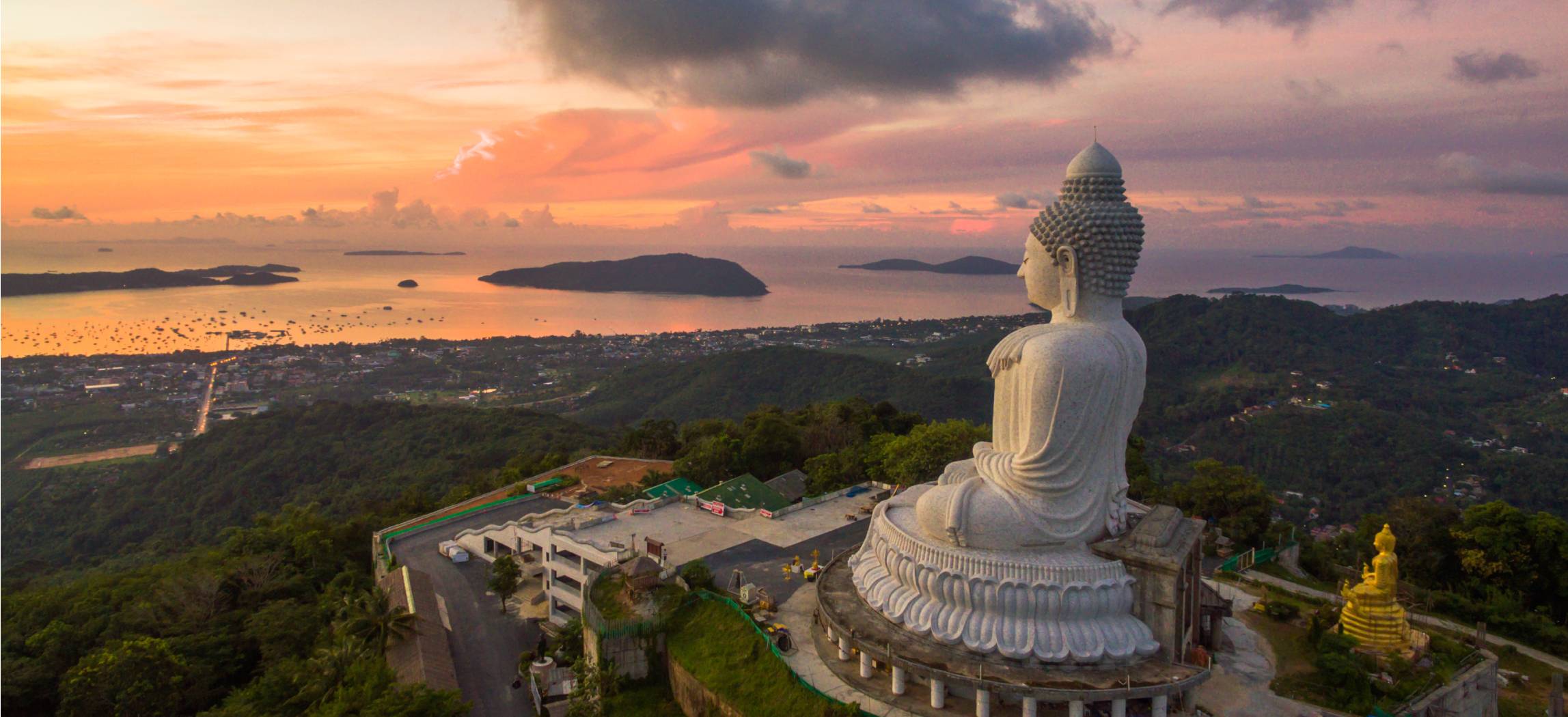
- Big Buddha: Situated on Nakkerd Hill, the 45-meter-tall white statue offers panoramic views and peaceful ambience.
Museums, markets, and cultural performances
- Phuket Thai Hua Museum: Chronicles the island’s Chinese roots and settlement.
- Peranakan Phuket Museum: Delves into local Baba-Nyonya culture.
- Markets: Explore Central Market for local produce, and Sunday Talad Yai market for souvenirs.
Don’t miss occasional cultural shows or traditional dances at Saphan Hin Park or local theaters.
Authentic local food and dining experiences
Popular local restaurants and traditional dishes
Phuket’s reputation as a culinary hotspot is well-deserved. Seek out:
- Mee Hokkien noodle shop for spicy stir-fried noodles
- Ko Yoon for rich khao man gai (chicken rice)
- Lock Tien food court for a taste of local specialties
Signature dishes include:
- Mee Hokkien noodles
- Moo hong (braised pork belly)
- O-tao (oyster pancake)
- Khanom Jeen (Thai rice noodles with curry)
Street food markets and night markets
The city abounds with vibrant street food markets:
- Phuket Weekend Market (Naka Market): A kaleidoscope of aromas and flavors, perfect for adventurous eaters.
- Chillva Market: Hip food stalls, live music, and a local crowd.
- Sunday Walking Street Market: A must for regional snacks like satay, grilled squid, and mango sticky rice.
Tips for eating like a local and food safety
- Eat where locals gather—a mark of freshness and quality.
- Carry cash for small vendors.
- Only drink bottled or filtered water.
- Spicy levels can vary—ask for “mai phet” (not spicy) if needed.
Recommended areas to stay in Phuket City and nearby beaches
Beach areas with nightlife and family-friendly options
- Patong Beach: Ideal for nightlife enthusiasts, with bars, clubs, and entertainment galore.
- Kata and Karon Beaches: Suitable for families, with laid-back atmospheres and gentle surf.
Cultural and urban stay options in old town
Phuket Old Town boasts quirky boutique hotels housed in colonial mansions, ideal for culture lovers who prefer nightlife, walking tours, and local markets on their doorstep.
Quieter and upscale beach resorts
For tranquility and luxury:
- Kamala and Surin Beaches: Offer upmarket resorts and pristine sands, away from the crowds.
- Cape Panwa: Features exclusive beachfront properties with stunning views.
Shopping options in Phuket City
Major shopping malls and outlet centers
- Central Festival Phuket: The island’s largest mall, offering international brands, eateries, and a cinema.
- Premium Outlet Phuket: Best for discounted branded goods, from fashion to sportswear.
Night markets and street markets
- Phuket Weekend Market: The largest, with everything from clothing to electronics.
- Indy Market: Funky local crafts and fashion.
- Sunday Walking Street Market: Perfect for souvenirs, gifts, and delicious snacks.
Bargaining tips and local specialties
- Bargaining is acceptable at street markets but not malls.
- Always smile and be polite—a little Thai goes a long way.
- Look for unique local crafts: batik prints, Phuket pearls, and specialty sweets.
Tips for first-time visitors to Phuket City
Packing and planning advice
- Light, breathable clothing for the tropical heat.
- Modest attire (shoulders and knees covered) for temple visits.
- Waterproof gear or umbrella for rainy months.
- Sun protection: hat, sunglasses, sunscreen.
- Copies of essential documents (passport, travel insurance).
Respecting local customs and culture
- Greet with a respectful “wai” (palms together).
- Remove shoes before entering homes and temples.
- Avoid public displays of affection.
- Be patient and smile—Thai culture values calm and friendliness.
Money, food, and beach safety tips
- ATMs are plentiful. Carry small bills for markets and tuk-tuks.
- Only change money at banks or authorized exchanges.
- Swim in designated areas; monsoon months can bring strong currents.
- Be cautious of jellyfish and always heed lifeguard warnings.
Itinerary suggestions
Whether you have a week to unwind or ten days to truly disappear into the Andaman, these itineraries balance Phuket’s must-see landmarks with hidden gems that most tourists skip.
Option 1: The "Best of Phuket" (7 Days)
- Day 1: Arrival & Coastal Chill. Land in Phuket and check into your hotel (Kata or Karon recommended). Head to Nai Harn Beach for a sunset dip.
- Day 2: The Icons. Visit the Big Buddha and Wat Chalong in the morning. Catch the sunset from Promthep Cape.
- Day 3: Phi Phi Islands. A full-day speedboat tour to Maya Bay, Pileh Lagoon, and Bamboo Island.
- Day 4: Old Town Heritage. Wander through Phuket Old Town. Explore the Thai Hua Museum and enjoy the Sunday Walking Street market.
- Day 5: Ethical Observation. Spend your morning at the Phuket Elephant Sanctuary.
- Walk along their 500-metre canopy walkway to watch rescued elephants roam freely.
- Enjoy a vegetarian buffet while learning about elephant conservation. - Day 6: Phang Nga Bay. Kayak through limestone karsts and visit "James Bond Island."
- Day 7: Final Souvenirs. Visit Central Phuket or a local market for gifts before your flight home.
Option 2: The "Deep Andaman" (10+ Days)
- Days 1–4: Phuket Highlights. Follow the initial days of the 7-day plan, adding a "Beach Hopping" day for hidden spots like Freedom Beach.
- Day 5: Hands-Off Interaction. Spend half a day at the Phuket Elephant Nature Reserve.
- Participate in preparing herbal food supplements for the elephants.
- Observe them socializing and bathing in a natural jungle environment without human interference. - Day 6: The "Similan" Escape. Take a day trip to the Similan Islands (Oct–May) for world-class snorkelling.
- Days 7–8: The Krabi Extension. Take a ferry to Railay Beach. Explore the Tiger Cave Temple or kayak through lush mangroves.
- Day 9: Khao Sok National Park. Take a boat trip on Cheow Lan Lake to see the dramatic floating rainforest scenery.
- Day 10: Farewell Seafood. Return to Phuket for a final Thai massage and a sunset seafood dinner in Rawai.
Disclaimer: "This article is intended for general informational purposes only and does not constitute legal, medical, financial, or other professional advice".
Related articles