
Nothing ruins travel plans as much as getting sick! Travelling also makes us more prone to illness. Factors such as re-circulated air on planes, long bouts of sitting while flying or driving, and foodborne illness increase the chances of becoming ill while travelling. Luckily, there are things you can do to avoid getting sick before or during your trip.
Tips on avoiding illness while travelling
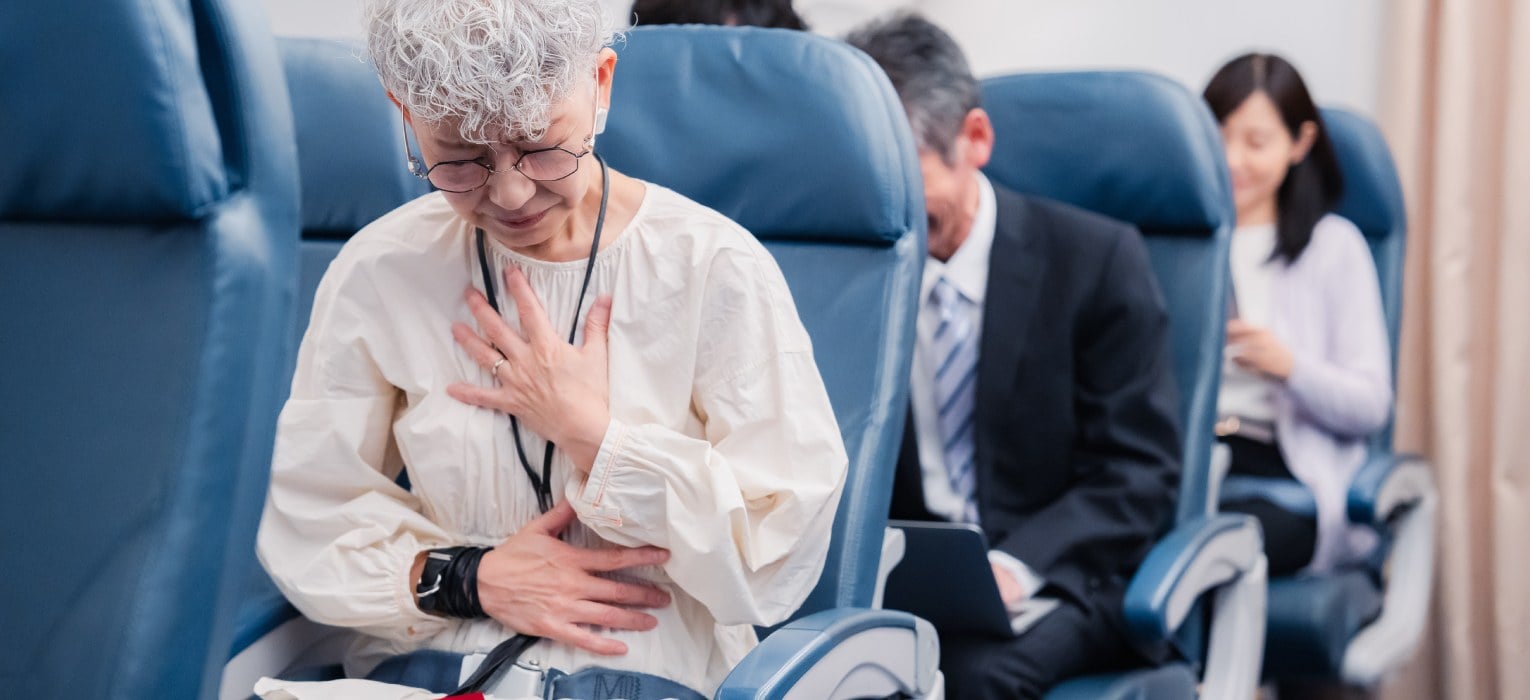
Pre travel preparations
The number one way you can protect yourself from getting sick is to research health advisories and vaccine requirements for your destination. The Government of Canada website is a trusted resource for details on vaccination requirements and health advisories for international travellers.
Pay close attention to your health in the weeks before you travel. You can boost your immune system pre-departure by getting ample sleep and nutrition. Consider consuming more foods that contain vitamin c to boost your immune system, writes Harvard Health.
Foods rich in vitamin c include leafy greens, root vegetables, strawberries, raspberries, blueberries, and more. If you already have a cold you want to knock out before your trip, vitamin c may lessen your cold’s duration, Harvard adds.
Packing essentials
Brainstorm your health needs and create a list of preventive health items that may help you avoid getting sick. Some basics include hand sanitizer, disinfectant wipes and a basic first-aid kit. If you are travelling somewhere more remote, such as a wilderness area, consider upgrading to a more comprehensive first-aid kit.
Other items that can help include compression socks if you are on a plane or a long road trip. Prolonged sitting increases the chance of developing blood clots. And some people are naturally more prone to blood clots than others.
Elderly people have a higher risk of developing blood clots due to changes in blood flow and decreased mobility. In addition to wearing compression socks, make sure you stay hydrated and take movement breaks while driving or flying.
If you’re already taking vitamin c, consider taking supplements such as multivitamins and probiotics to prevent illness.
During travel: hygiene practices
Airports, planes, and public transportation vehicles and hubs, can harbor bacteria and viruses. Maintain hygiene by keeping hands away from your face, washing hands before eating and regularly using hand sanitizer. During flu season, consider wearing a mask for extra protection if you are immunocompromised. In restrooms, avoid touching door handles on the way out and use hand sanitizer after coming into contact with high-touch surfaces.
Eating and drinking safety
The Government of Canada has comprehensive guidelines for eating and drinking safely during international travel. A top one is to avoid raw food that you don’t peel yourself. Remember, “Boil it, cook it, peel it or leave it!,” advises the Government of Canada. Avoid unpasteurized dairy or fruit juices. Only drink bottled water. Use ice from disinfected water. Brush your teeth with purified water. Avoid food from street vendors.
Managing stress and fatigue
Reduce travel-related stress and get adequate rest with these tips:
Consider taking melatonin to help promote a good sleep schedule. You should also practice good sleep hygiene by cutting screen time at least an hour before bed and not consuming caffeine after midday.
You can also fight jet lag. “To reset yourself, try to stay awake on the plane and when you arrive,” writes Verywell Health. “Once you're settled in, fight the urge to take a nap, and try to stay awake until your normal bedtime based on local time.”
Staying active
Try to incorporate exercise into your travel plans. If you are sightseeing in a city, explore on foot instead of taking transit. If you are vacationing in the wilderness, take lots of hikes. If a leisurely spa trip is more your thing, take a yoga class or get a few laps in at the pool.
Travel insurance
Travel insurance can be a valuable purchase for an upcoming trip. You should know that your provincial or territorial health insurance plan may not provide full coverage if you experience a medical emergency outside of your home province or territory. An Allianz Travel Insurance plan with emergency medical benefits may help fill coverage gaps.
Our emergency medical benefits reimburse certain non-refundable expenses up to $10,000,000 for emergency medical treatment, transportation and aftercare, if you experience a covered medical emergency while travelling.
Steps to take if you get sick while travelling
If you experience a medical emergency while travelling, contact your insurance provider as soon as possible to let them know about the situation. Contacting them before receiving treatment is ideal. Additionally, save all receipts and provider care summaries, so that you can file a detailed claim with your travel insurer.
If you have extensive health needs, you may benefit from choosing a travel insurance policy with a high coverage limit and a more flexible policy on pre-existing conditions.
Also, prepare for your trip by researching the location of the nearest local urgent care facilities and Canadian embassy. Save the local emergency number in your mobile phone.
Protect yourself before your next trip by supplementing and eating well, and during by practicing good preventive health. And know what to do if you experience a health emergency. Take time to prioritize your health and wellbeing for a safe and enjoyable trip.
Protect your next adventure with travel insurance that fits your health needs and destination.
This content is not intended to be a substitute for professional medical advice, diagnosis, or treatment. Always seek the advice of your physician or other qualified health provider with any questions you may have regarding a medical condition.
Related articles
Travel protected with Allianz Global Assistance
Or call us at 1-844-310-1578
to speak with one of our agents.
to speak with one of our agents.
Join our Community of Travellers!
Get great travel tips, updates and news straight to your inbox with our monthly eNewsletter.